Laser Treatment for Post-Surgical Scars
Advanced laser treatments designed to improve the appearance, texture, and quality of surgical scars, delivered under consultant supervision.
This is part of a structured approach to scar optimisation following surgery.
Optimising Surgical Scar Healing
Scarring is a natural part of the healing process following surgery. However, scar quality can vary depending on multiple factors including skin type, surgical site, and healing response.
Laser treatment is used to improve the appearance and quality of scars by targeting redness, thickness, texture, and irregularity.
In many cases, early intervention can help guide the scar towards a more favourable outcome.
This process can:
-
Reduce redness and vascularity -
Improve scar texture and smoothness -
Soften thick or raised scars -
Improve overall skin integration
How Laser Treatment Improves Scars
Laser technology works by delivering controlled energy into the skin to stimulate collagen remodelling and improve skin structure.
Advanced laser platforms allow precise targeting of both superficial and deeper components of the scar.
Er:YAG-based resurfacing and light-based treatments can be used depending on the scar type and stage of healing.
Types of Scars We Treat
When Should Laser Treatment Be Started?
Laser treatment can be introduced at different stages of scar healing.
Early treatment may help reduce redness and guide scar formation.
Later treatment may be used to improve texture, thickness, and overall appearance.
Timing is carefully determined based on the stage of healing and the individual patient.
Stages of Scar Healing
Understanding how scars evolve helps guide appropriate treatment timing.
Early Healing Phase
Initial wound healing with inflammation and early tissue repair. The scar may appear red, swollen, or sensitive.
Active Remodelling Phase
Collagen production increases and the scar may become more prominent or firm. Early intervention may be considered.
Maturation Phase
The scar begins to settle, though redness, thickness, and texture irregularities may persist.
Late Remodelling Phase
Gradual softening and fading of the scar. Targeted treatments may be used to improve long-term appearance.
Laser treatment timing is carefully selected based on the stage of healing to optimise outcomes and minimise unnecessary intervention.
Before & After Post-Surgical Scar Results
Real patient outcomes following structured LASER SCAR treatments.
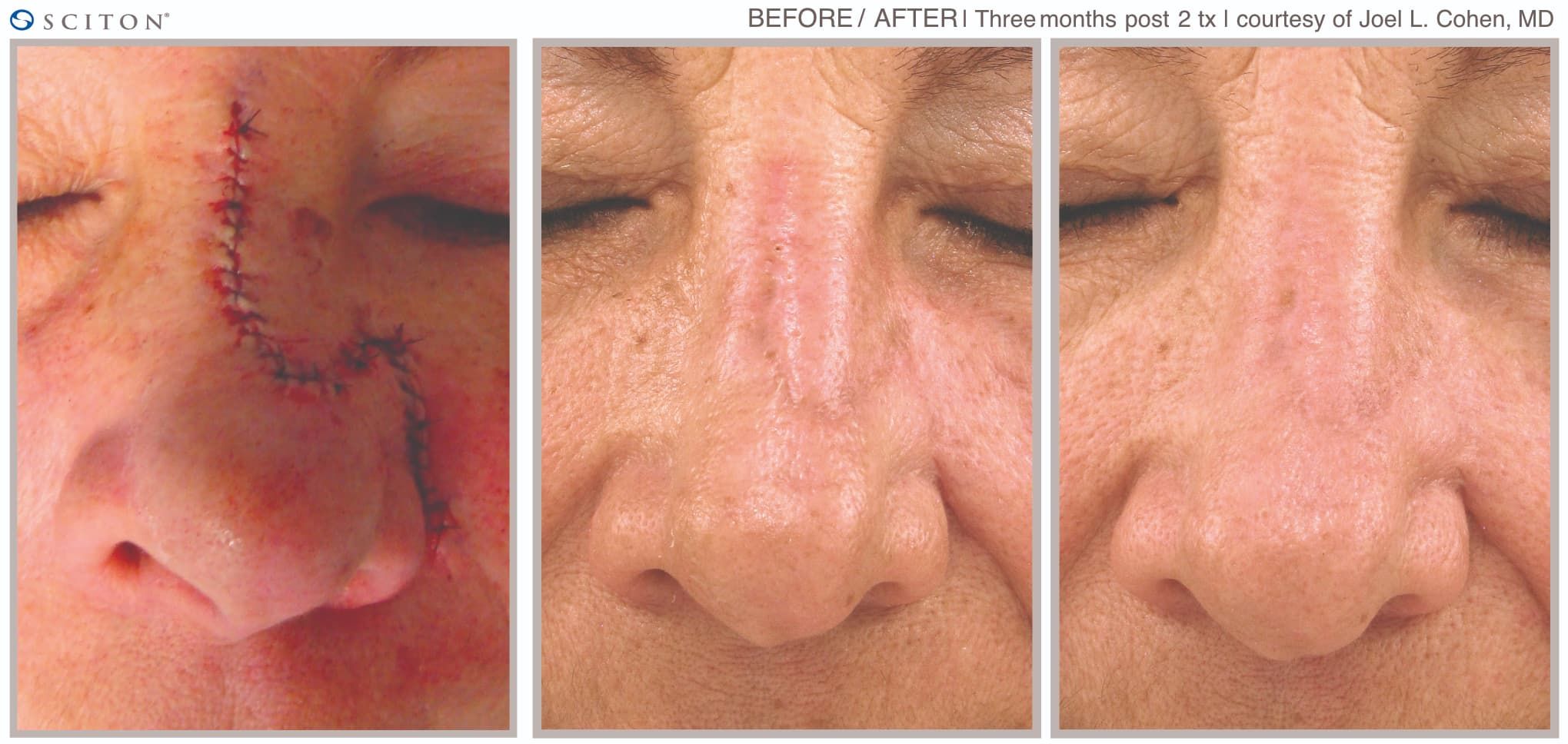
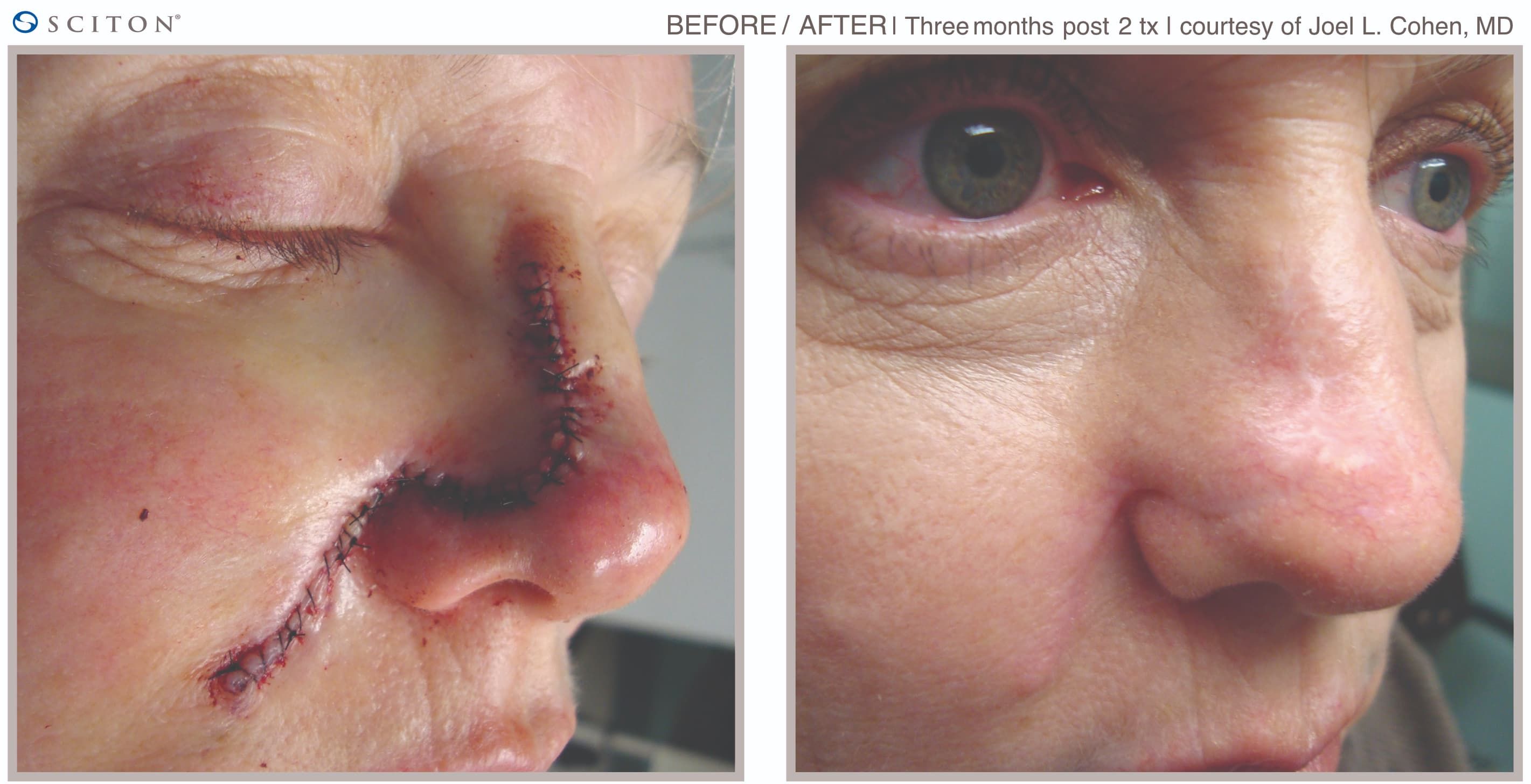
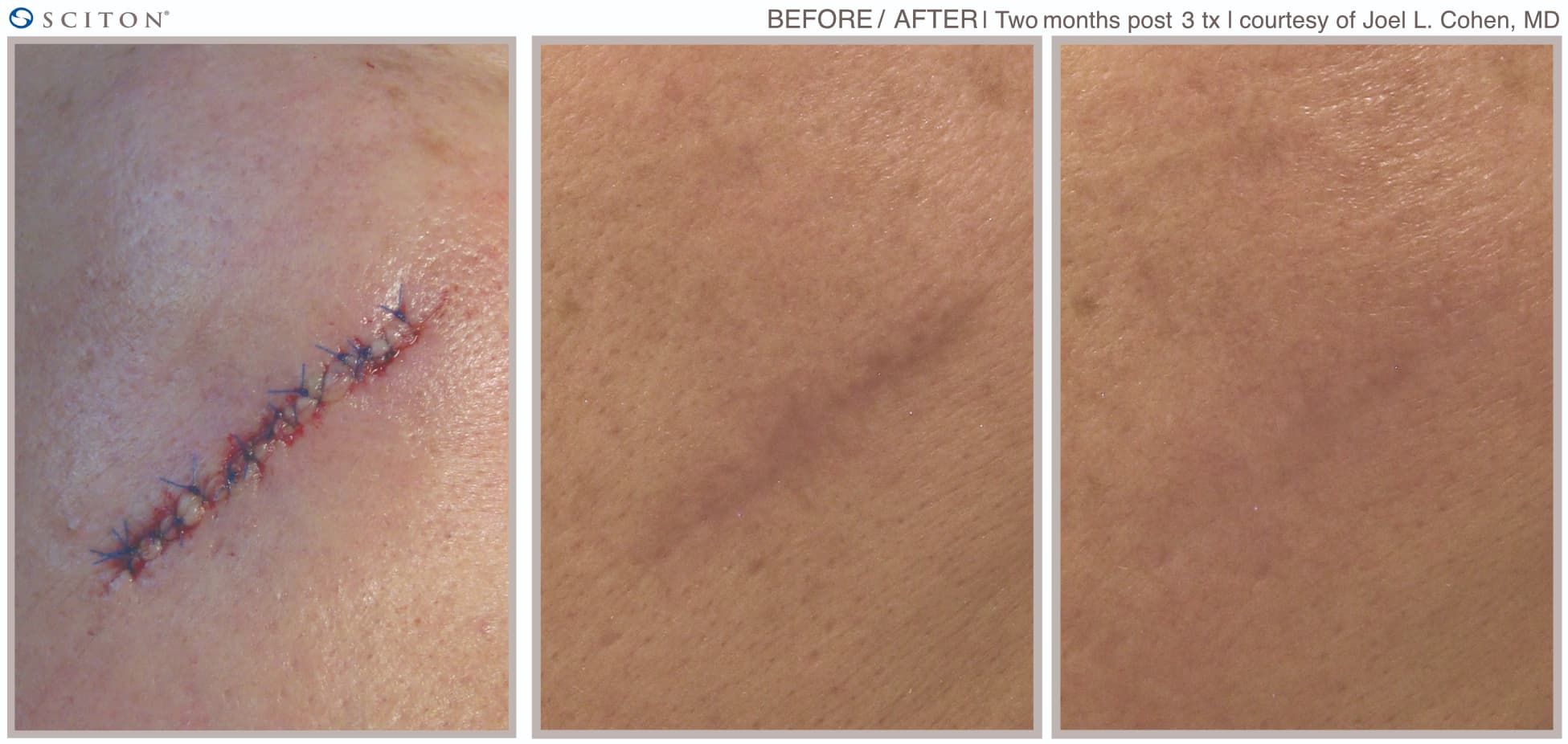
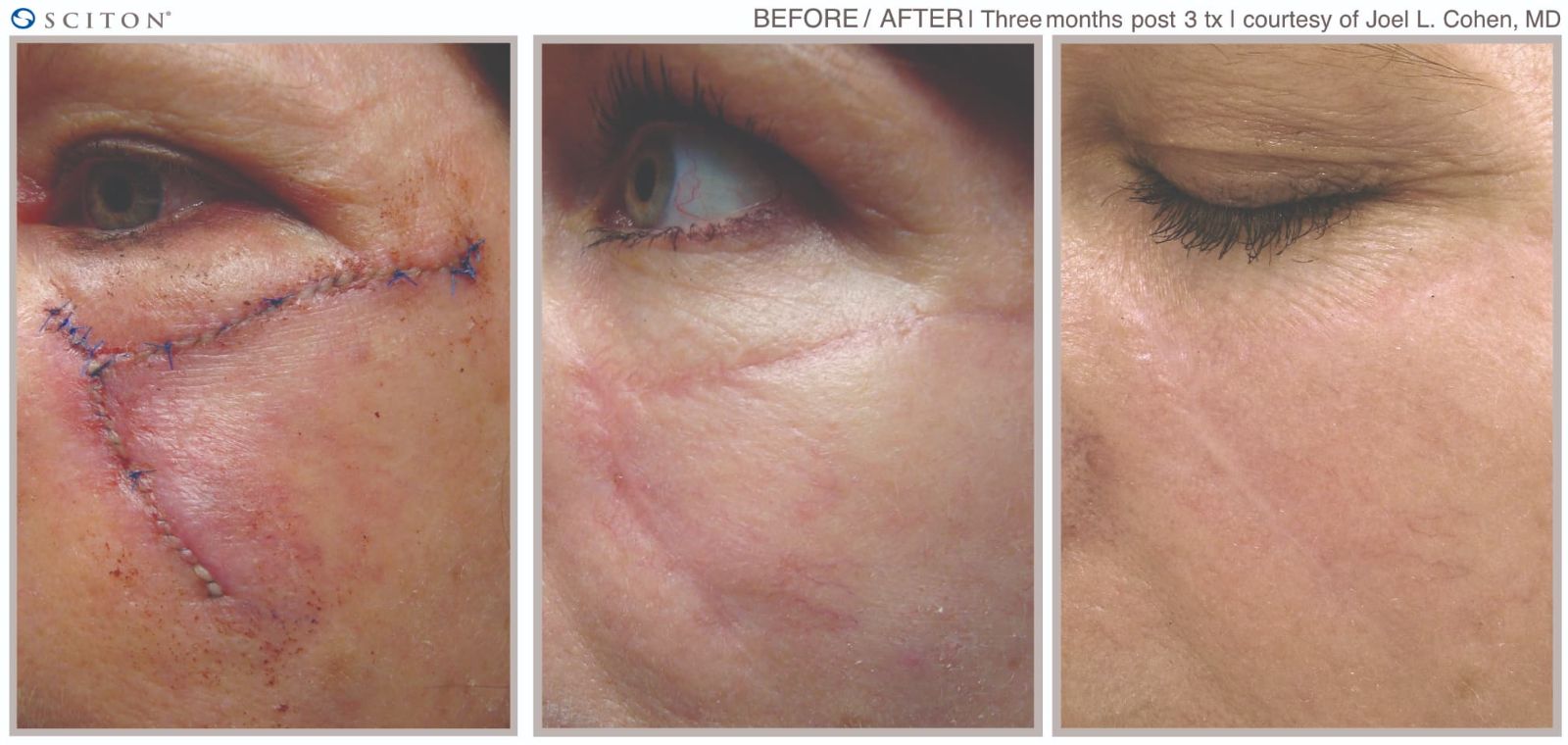
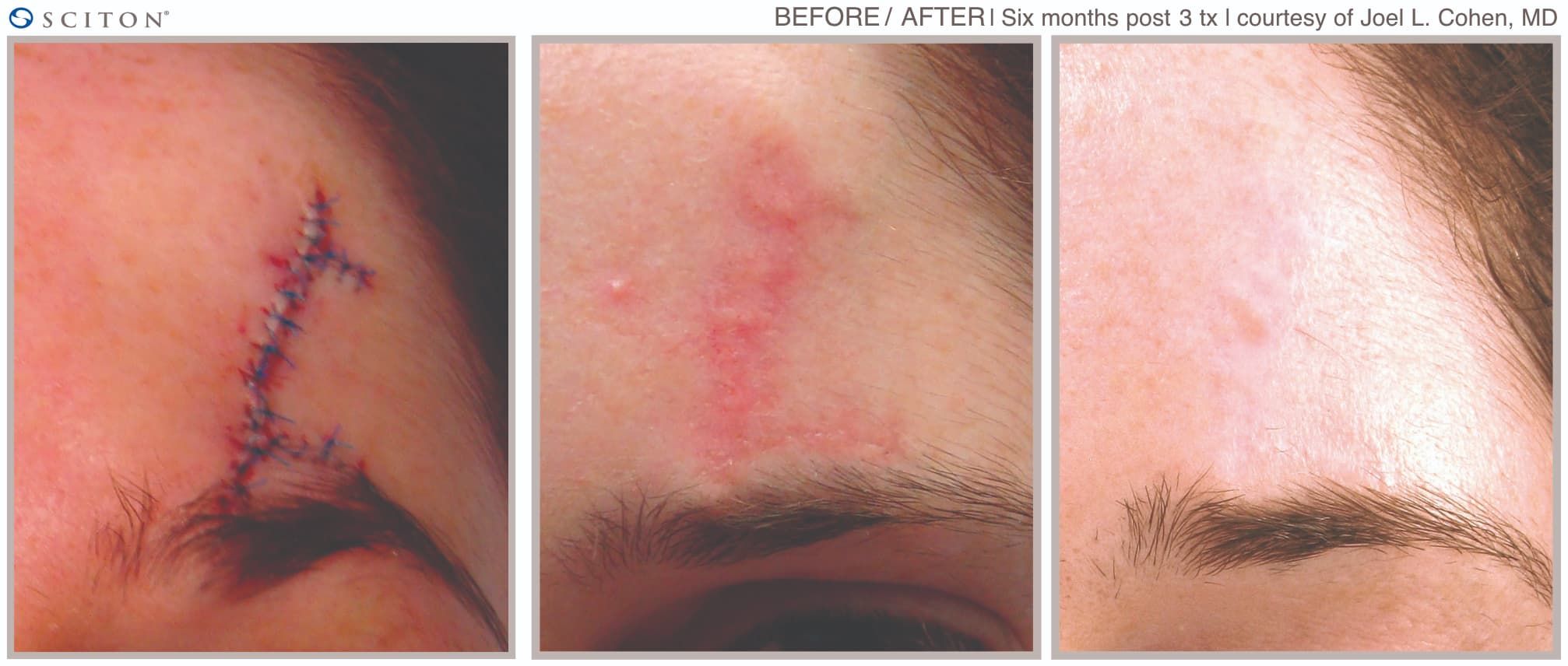
Individual results may vary depending on skin type and condition.
A Consultant-Led Approach to Scar Management
As a Consultant Plastic Surgeon, scar management is integrated into the overall surgical treatment plan.
Laser treatment is not used in isolation, but as part of a structured approach that may include:
-
Surgical technique optimisation -
Post-operative care -
Topical therapies -
Laser and energy-based treatments
This ensures a comprehensive and personalised approach to scar optimisation.
What to Expect
Treatment plans vary depending on the type and stage of the scar.
Most patients require a series of treatments to achieve optimal improvement.
Sessions are typically well tolerated, with minimal disruption to daily activities depending on the treatment intensity.
Expected Outcomes
Laser treatment can significantly improve the appearance and quality of scars, making them less visible, smoother, and better integrated with surrounding skin.
While scars cannot be completely removed, meaningful improvement can be achieved with appropriate treatment.
Concerned About a Surgical Scar?
Book a consultation to assess your scar and develop a personalised treatment plan.